Heads-up: some links on this site may be affiliate links. If you book through them we may earn a small commission at no extra cost to you. It never changes what we recommend. Read our affiliate disclosure.
The Canary Islands are often described as one destination, but each island has its own personality. Some are lively and well connected, others are green, wild and wonderfully quiet. Choosing the right one makes a bigger difference to your holiday than choosing the right hotel. This guide walks through each of the main islands, what they are best for and what kind of stay suits them, so you can match the island to the trip you have in mind.
The Canary Islands at a glance
The Canaries are an archipelago in the Atlantic Ocean off the north-west coast of Africa, and they are part of Spain. Their big draw is a mild climate all year round, which makes them popular for winter sun as well as summer holidays. A few useful facts:
- Time zone. The islands use the same time as the UK, which is handy for British visitors.
- Getting between islands. Inter-island ferries and short flights connect the islands, so combining two in one trip is very doable.
- Microclimates. On many islands, the north tends to be greener, cooler and cloudier, while the south is usually drier and sunnier. Mountains create very different conditions within short distances.
For UK visitors, it is worth checking passport and entry requirements before you go, for example with this free UK to Spain trip planner.
Tenerife: variety and a volcanic giant
Tenerife is the largest island and probably the most varied. Its centrepiece is Teide National Park, home to Mount Teide, Spain's highest peak, set within dramatic volcanic landscapes. A cable car takes visitors high up the mountain, but if you want to hike to the very summit you need a permit, which must be arranged in advance.
The south of the island has well-known resort areas with plenty of hotels and beaches, while the north offers greener scenery, historic towns and a more local feel. Tenerife suits almost everyone: families, couples, hikers and travellers who want a mix of beach time and exploring.
Gran Canaria: dunes, city life and beaches
Gran Canaria is sometimes called a "continent in miniature" because it packs so many landscapes into one island. In the south, the Maspalomas dunes are a remarkable sweep of sand by the sea, with resort areas nearby. In the north-east, Las Palmas is a real working city with culture, shopping and dining, and its city beach, Las Canteras, is a favourite with locals and visitors.
Gran Canaria is a good pick if you want a beach holiday with the option of city life, or if you like the idea of mountain drives inland.
Lanzarote: striking volcanic scenery
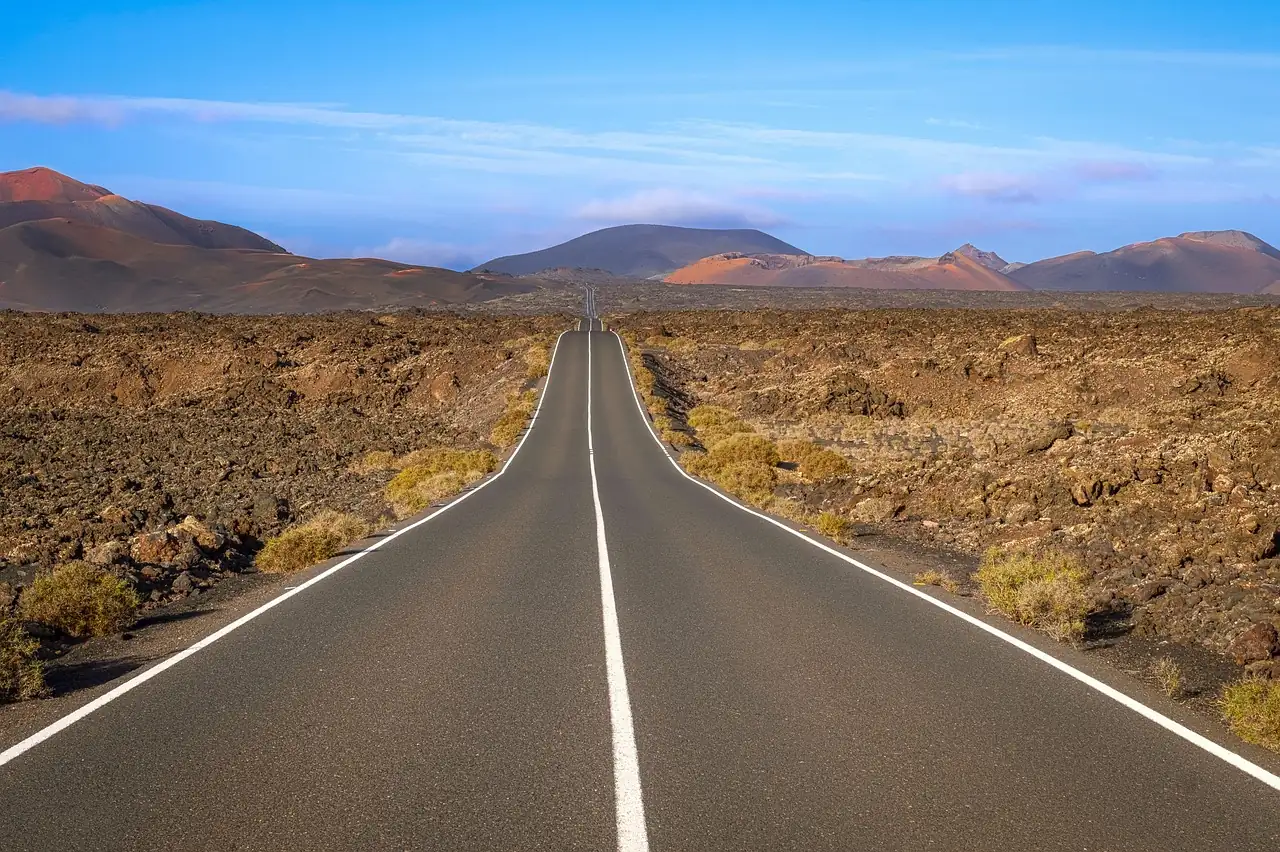
Lanzarote is known for its otherworldly volcanic landscapes, best seen in Timanfaya National Park. The island also carries the strong influence of César Manrique, the Lanzarote-born artist and architect who championed building in harmony with the landscape. His legacy shows in the low-rise, whitewashed style of many villages and in several attractions he designed.
Lanzarote suits travellers who appreciate design, scenery and a calmer pace, while still having established resorts to choose from.
Fuerteventura: long beaches and wind
Fuerteventura is all about space and sand. It has long, open beaches and the protected dunes near Corralejo in the north. The island is also known for its breezy conditions, which make it a magnet for windsurfing, kitesurfing and surfing.
Choose Fuerteventura if beaches and watersports are top of your list. It tends to feel more relaxed and less built up than the busiest parts of the bigger islands.
The quieter islands
La Palma
La Palma is steep, green and dramatic. It is famous for its dark skies, and the observatory on Roque de los Muchachos is one of the most important astronomical sites in the world. Stargazing and hiking are the main attractions here, and accommodation is more about rural houses and small hotels than big resorts.
La Gomera
La Gomera is home to Garajonay National Park, a misty laurel forest that feels a world away from the beach resorts. The island is also known for Silbo Gomero, a traditional whistled language used to communicate across its deep ravines. It is a wonderful choice for walkers and anyone seeking peace, and it is reachable by ferry from Tenerife.
El Hierro
El Hierro is the smallest of the main islands and one of the least developed. It is known for its rugged coastline, natural pools and excellent diving. Come here for tranquillity and nature rather than nightlife.
La Graciosa
Off the north coast of Lanzarote, La Graciosa is a small island reached by boat, with sandy tracks instead of tarmac roads and a slow, simple pace. It works best as a day trip or a short, very relaxed stay.
Choosing where to stay
Once you have picked an island, think about the type of base that suits you:
- Resort hotels in the south of the larger islands are convenient for sunshine, pools and beaches.
- City or town hotels in places like Las Palmas give you local life and dining on your doorstep.
- Rural houses and small hotels on the quieter islands or inland areas suit walkers and couples.
- Self-catering apartments are popular with families and longer stays. Our guide to self-catered accommodation for family breaks explains the pros and cons.
Whatever you choose, comparing the total price, the cancellation terms and the exact location is time well spent. Our 5 hacks for saving real money on hotel bookings has more tips.
Key takeaways
- The Canaries are part of Spain, share the UK's time zone and enjoy mild weather all year.
- Tenerife offers the most variety, including Teide National Park (summit hikes need a permit).
- Gran Canaria mixes beaches, the Maspalomas dunes and city life in Las Palmas.
- Lanzarote is ideal for volcanic scenery and César Manrique's design legacy.
- Fuerteventura is the beach and watersports island.
- La Palma, La Gomera, El Hierro and La Graciosa are best for nature and peace.
- South coasts tend to be sunnier; north coasts greener.
Frequently asked questions
Which Canary Island is best for a first visit?
Tenerife and Gran Canaria are good first choices because they offer a wide range of hotels, beaches and things to see, plus good flight connections.
Can you visit more than one Canary Island on one trip?
Yes. Ferries and short inter-island flights make island-hopping straightforward. Tenerife and La Gomera, or Lanzarote and Fuerteventura, are easy pairings.
Are the Canary Islands warm in winter?
They are known for mild winter weather, which is why they are popular for winter sun. It is not tropical heat, though, and evenings and higher areas can feel cool, so pack a layer.